Best Time to Visit Kruger National Park: Complete Seasonal Guide
Discover the optimal seasons for wildlife viewing in Kruger and surrounding private reserves. Expert insights on weather, animals, and crowd levels throughout the year.
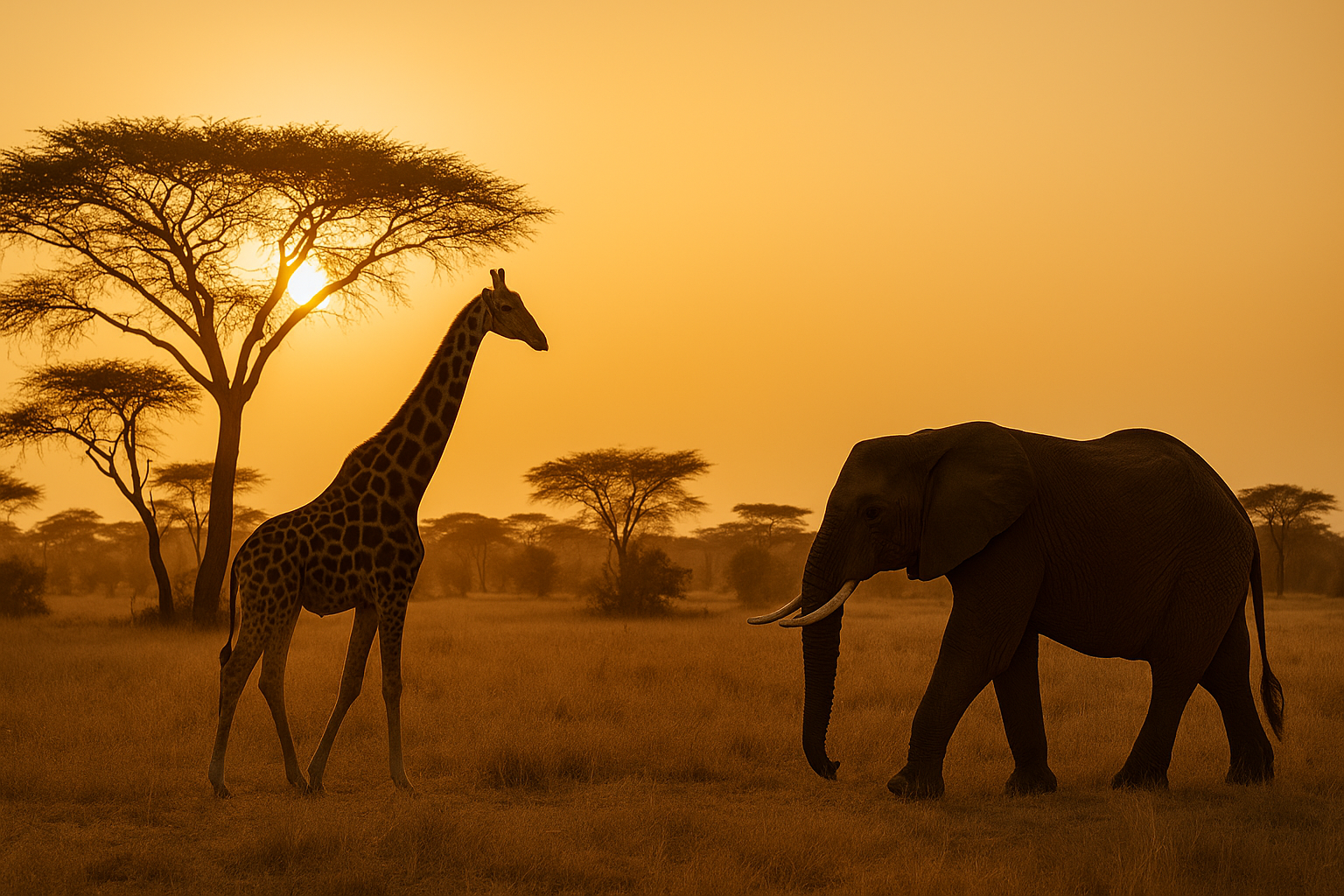
Planning a safari to Kruger National Park is an exciting adventure, but timing is everything. The question “When is the best time to visit Kruger?” doesn’t have a simple answer—it depends on what you want to see, your budget, and your tolerance for crowds and weather conditions. This comprehensive guide will help you choose the perfect time for your South African safari experience.
Understanding Kruger’s Seasons
Kruger National Park, located in northeastern South Africa spanning Limpopo and Mpumalanga provinces, experiences two distinct seasons: the dry season (winter) and the wet season (summer). Each offers unique advantages for safari enthusiasts.
The Dry Season (May to September) - Prime Wildlife Viewing
The dry winter months are considered the best time for wildlife viewing in Kruger National Park, and here’s why:
Weather Conditions
- Temperature: Warm days (20-25°C / 68-77°F) and cool to cold nights (5-10°C / 41-50°F)
- Rainfall: Minimal to zero precipitation
- Humidity: Low, making game drives comfortable
- Vegetation: Sparse, with trees losing leaves
Wildlife Viewing Advantages
The dry season offers unparalleled wildlife viewing opportunities:
- Water Scarcity: Animals congregate around remaining waterholes and rivers, making them easier to spot
- Clear Visibility: Sparse vegetation means fewer places for animals to hide
- Active Predators: Lions, leopards, and cheetahs are easier to spot hunting near water sources
- Big 5 Sightings: Your best chance to see elephant, buffalo, rhino, lion, and leopard in one visit
- General Game: Zebra, giraffe, wildebeest, and antelope species gather in large numbers
Booking Considerations
- Peak Season: June to August is the busiest period
- Prices: Expect premium rates for lodges and tours
- Crowds: Popular areas can be busy, especially during school holidays
- Advance Booking: Reserve 4-6 months ahead for prime lodges
The Wet Season (October to April) - Green Season Beauty
The summer wet season transforms Kruger into a lush, green paradise with its own unique charm:
Weather Conditions
- Temperature: Hot days (25-35°C / 77-95°F) and warm nights (15-20°C / 59-68°F)
- Rainfall: Afternoon thunderstorms are common
- Humidity: High, can feel quite hot and sticky
- Vegetation: Dense and vibrantly green
Wildlife Viewing During Wet Season
While not traditional peak season, summer has distinct advantages:
- Baby Animals: November to February sees births across many species—adorable calves, cubs, and foals everywhere
- Bird Watching: Over 500 bird species, including magnificent migrants from Europe and North Africa
- Dramatic Landscapes: Lush green scenery and spectacular thunderstorm photography opportunities
- Dispersed Wildlife: Animals spread out but often more active in cooler morning hours
- Predator Activity: Mothers with young cubs provide incredible viewing opportunities
Budget-Friendly Benefits
- Lower Prices: Lodge rates can be 30-50% cheaper than peak season
- Better Availability: Easier to secure bookings, even on short notice
- Fewer Crowds: More intimate wildlife experiences with fewer vehicles
- Special Offers: Many lodges run promotions during “green season”
Month-by-Month Breakdown
January - February
Season: Peak wet season
Highlights: Baby animals everywhere, spectacular birding, lush scenery
Drawbacks: Hot and humid, dense vegetation, afternoon storms
Best For: Photographers, bird enthusiasts, budget travelers
March - April
Season: Late wet/early autumn
Highlights: Cooling temperatures, still green, fewer crowds
Drawbacks: Occasional rain, some vegetation still dense
Best For: Balanced experience, good value
May - June
Season: Early dry season/winter
Highlights: Excellent game viewing begins, pleasant temperatures, clear skies
Drawbacks: Increasing prices, need warm layers for morning drives
Best For: First-time safari goers, families
July - August ⭐ PEAK SEASON
Season: Peak dry season/winter
Highlights: Best wildlife viewing, perfect weather, high activity levels
Drawbacks: Highest prices, most crowded, cold mornings/evenings
Best For: Serious wildlife enthusiasts, guaranteed Big 5 sightings
September - October
Season: Late dry/early wet
Highlights: Superb game viewing, warming weather, spring flowers
Drawbacks: Can be very hot, dust, still expensive
Best For: Photography enthusiasts, serious safari-goers
November - December
Season: Early wet/summer
Highlights: Newborn animals, migrant birds arriving, green transformation
Drawbacks: Hot and humid, afternoon storms, school holidays (Dec)
Best For: Bird watchers, value seekers (except December holidays)
Special Considerations for Different Travelers
For First-Time Safari Visitors
Best Time: May to September (dry season)
The dry season offers the best introduction to safari life with easier wildlife spotting, comfortable weather, and well-established game-viewing patterns. You’ll maximize your chances of seeing the Big 5 and other iconic species.
For Photography Enthusiasts
Best Time: February-March or October-November
These shoulder months offer the best of both worlds: dramatic storm clouds, good light, green landscapes (wet season) combined with improving visibility and animal activity. The golden hours provide stunning light for photography.
For Bird Watching
Best Time: November to March
Summer months bring over 200 migrant bird species to Kruger, including stunning European rollers, carmine bee-eaters, and various raptors. Resident species are also in breeding plumage.
For Budget Travelers
Best Time: January-February or November
Avoid school holidays and peak winter months for the best deals. Lodge rates can be significantly lower, and you’ll have more negotiating power for longer stays or package deals.
For Families with Children
Best Time: May-June or September
These months balance good weather, excellent wildlife viewing, and relatively manageable prices. Temperatures are comfortable for kids during game drives, and you’ll avoid the extreme cold of July-August mornings.
Private Reserves vs. Kruger National Park
Adjacent private reserves like Sabi Sands, Timbavati, and Klaserie share unfenced borders with Kruger. Consider these factors when choosing your accommodation:
Private Reserves Advantages:
- Off-road driving for better animal tracking
- Night drives to see nocturnal species
- Walking safaris with experienced guides
- Smaller groups and more exclusive experiences
- Higher quality accommodations and service
- Same wildlife as Kruger with better viewing opportunities
Kruger National Park Advantages:
- More affordable accommodation options
- Self-drive safari possibilities
- Larger variety of camps and rest stops
- Vast wilderness areas to explore
- Good for independent travelers
Practical Tips for Any Season
What to Pack
Dry Season (May-September):
- Warm layers for early morning drives (fleece, jacket)
- Neutral-colored clothing (khaki, beige, olive)
- Sun hat and sunscreen
- Binoculars (8x32 or 10x42)
- Camera with telephoto lens
- Closed-toe walking shoes
Wet Season (October-April):
- Light, breathable clothing
- Rain jacket or poncho
- Insect repellent (DEET-based)
- Sun protection (strong African sun)
- Light layers for air-conditioned vehicles
- Waterproof bag for camera equipment
Health Considerations
- Malaria: Kruger is a low-risk malaria area, higher risk in summer. Consult your doctor about prophylaxis
- Vaccinations: Ensure routine vaccinations are up to date
- Sun Protection: African sun is intense year-round; use high SPF sunscreen
- Hydration: Drink plenty of water, especially in summer
Our Expert Recommendation
The absolute best time to visit Kruger National Park is during the shoulder months of May-June or September-October.
These periods offer the perfect balance: excellent wildlife viewing as animals congregate around water sources, comfortable temperatures, fewer crowds than peak season, and more reasonable lodge prices. You’ll experience the best of what Kruger offers without the extreme heat or cold.
However, if your schedule only allows summer travel, don’t despair! Kruger is magnificent year-round, and the wet season has unique charms that many repeat visitors prefer—especially the baby animals and spectacular storm photography.
How Long Should You Stay?
We recommend a minimum of 3-4 nights in the Kruger area to maximize your wildlife viewing opportunities. This allows for:
- 6-8 game drives (twice daily drives)
- Time to explore different areas of the park
- Increased chances of seeing all Big 5
- Relaxation between drives to enjoy lodge amenities
- Flexibility if weather or animal activity varies
Booking Your Kruger Safari
Planning a safari requires careful consideration of timing, accommodation, and logistics. At Venturesa-fari, we specialize in creating perfect Kruger experiences tailored to your preferred season, budget, and interests.
Why Book With Venturesa-fari?
- ✓Local South African experts with intimate knowledge of Kruger and surrounding lodges
- ✓Exclusive partnerships with top lodges in Limpopo and Mpumalanga
- ✓Honest advice about the best time to visit for YOUR specific goals
- ✓Seamless coordination of transfers, accommodation, and activities
- ✓24/7 support throughout your safari experience
Final Thoughts
There’s truly no bad time to visit Kruger National Park—each season offers something special. The “best time” ultimately depends on your priorities:
- Best Wildlife Viewing: July-September
- Best Weather: May-August
- Best Value: January-February, November
- Best for Photography: October-March (dramatic skies)
- Best for Bird Watching: November-March
- Best for Fewer Crowds: January-April, November
- Best Overall Experience: May-June, September-October
The most important thing is that you make it to Kruger! This magnificent wilderness area offers life-changing wildlife encounters regardless of when you visit. The roar of a lion at dawn, the sight of elephants at a waterhole, the thrill of tracking a leopard—these moments transcend seasons.
Ready to Plan Your Kruger Safari?
Let our South African safari experts help you choose the perfect time and lodge for your unforgettable Kruger experience.